

As the calendar turns to 2026, many U.S. Taxpayers are paying close interest to reports about one-time $2,000 direct deposit payments supposedly being issued via the Internal Revenue Service (IRS) in January 2026. This topic combines components of tax management, financial relief measures, and eligibility criteria that the IRS or associated regulation may additionally undertake. Below is a clean rationalization of what those payments are, who may qualify, how the method is predicted to work, and what taxpayers should understand.
What Is Being Claimed?
Numerous articles, social media posts, and websites have circulated claims that the Internal Revenue Service (IRS) will problem a one-time $2,000 direct deposit to eligible people in January 2026. These reviews frequently describe eligibility standards, income limits, payment timelines, and how to replace banking records to receive the funds. Some even offer distinct schedules for phased deposit windows at some stage in January.
Official Confirmation — What the IRS Says
Despite these tremendous claims, there’s no professional IRS statement or authoritative supply confirming a brand new federal program that ensures a flat $2,000 payment to all taxpayers in January 2026. According to credible reporting and reality-checks from monetary information and government watchdog web sites, the IRS has now not accepted this kind of payment program, and Congress has not handed rules authorizing it. Therefore, assertions about guaranteed $2,000 stimulus payments aren’t supported by official government action.
Part of the confusion stems from discussions of a proposed “tariff dividend” — an idea floated in political commentary that tariff revenue may want to fund direct payments to Americans. However, this remains only a proposal and has not become law or IRS policy.
Understanding the Rumored $2,000 Payment
While the IRS has not legal a general $2,000 deposit, there are some scenarios in which taxpayers might receive money from the IRS around the identical time:
- Tax Refunds and Credits: Some taxpayers with big refunds or refundable credits (along with the Earned Income Tax Credit or Child Tax Credit) might also see refund amounts in early 2026 that are close to or above $2,000, relying on their individual tax situations.
- Unclaimed Credits: Similar to beyond Recovery Rebate Credit distributions, the IRS has in previous years issued late credit to individuals who ignored claiming them on in advance returns. These have been tied to past stimulus efforts and no longer a brand new program.
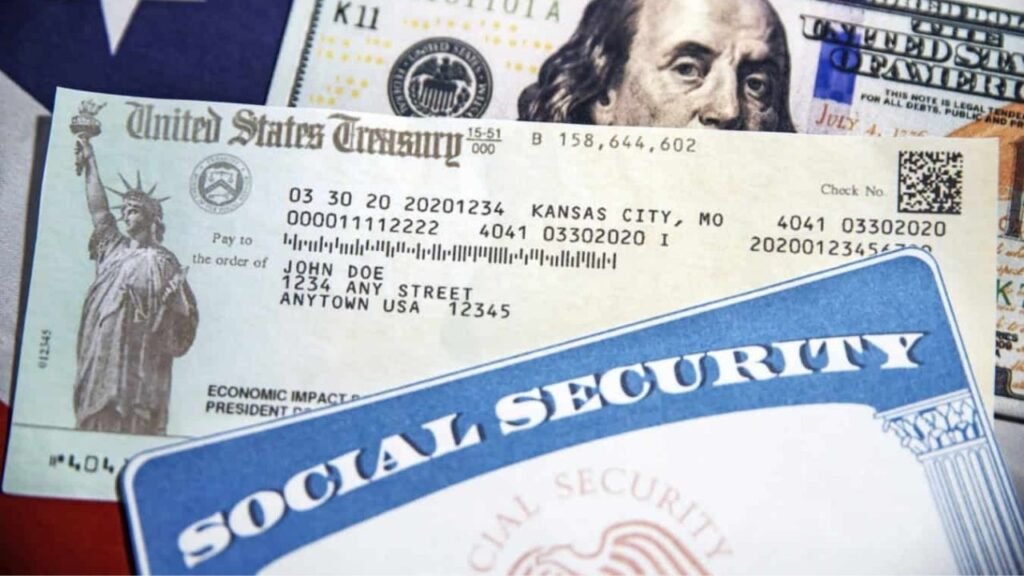
Rumors Versus Reality
The IRS has time and again advised taxpayers approximately deceptive messages and scams that falsely imply new stimulus payments are forthcoming. The corporation emphasizes that legitimate notices will never require you to click on suspicious hyperlinks or offer private facts outdoor legitimate IRS channels.
Many articles claiming the IRS “confirmed” the $2,000 direct deposit are primarily based on speculative or unverified resources in preference to official IRS releases or Treasury bulletins. It’s crucial to depend on IRS.gov or legit federal statements for accurate guidance.
How Eligibility Is Typically Determined for IRS Payments
When the IRS does issue direct payments — such as tax refunds or refundable credits — eligibility is usually based on:
- Filing a timely federal tax return for the applicable tax year.
- Meeting income thresholds tied to specific credits or refund calculations.
- Being a U.S. citizen or resident alien with a valid Social Security number.
- Providing accurate banking information with your return (for direct deposit).
These are standard tax administration processes and not specific to a special $2,000 benefit unless Congress enacts new legislation.
Important Takeaways for Taxpayers
Given the current information:
- No official $2,000 one-time deposit program has been authorized by the IRS or Congress for January 2026.
- Reports claiming automatic payments are planned must be treated with warning and demonstrated in opposition to IRS.gov updates.
- If you count on money from the IRS in early 2026, it will most in all likelihood be your normal tax refund or refundable credit, now not a special stimulus payment.
- To ensure timely refunds and credits, file your tax returns on time with accurate records and check your IRS account using legitimate equipment.
Conclusion
The buzz round $2,000 one-time IRS deposits in January 2026 is basically fueled by using rumors, misinterpreted reviews, and speculation as opposed to showed federal action. While many taxpayers may also get hold of refunds or credit amounts that total around $2,000 in early 2026 based on their man or woman tax conditions, there may be currently no respectable program making sure this payment. Staying informed via reliable authorities sources and workout warning with unverified claims will help you navigate capability misinformation and recognize what refunds or credits you could surely receive. Always consult with IRS.gov for legitimate updates and payment records in advance of the 2026 tax season.